Smart Farming
Give farmers and agribusinesses the data infrastructure to make precision decisions on irrigation, fertilization, pest management, and harvest timing. The Precision Agriculture Pack connects field sensors to actionable dashboards with zero setup complexity.
Magistrala's open protocol support lets you connect any sensor brand or gateway technology without hardware replacement, while its edge-compatible architecture ensures farm operations continue even with the intermittent connectivity that is common in rural field environments.
See it in action
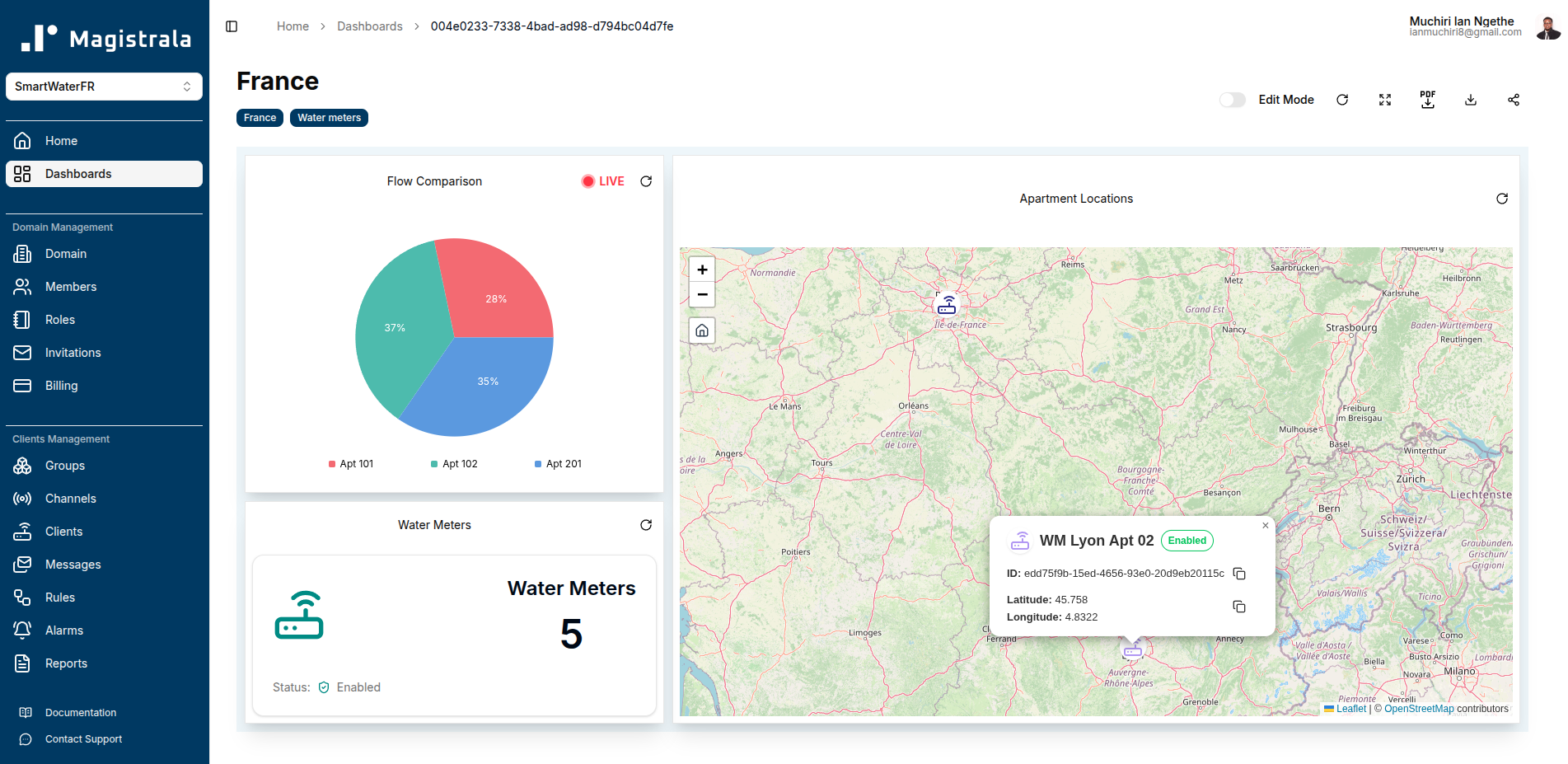
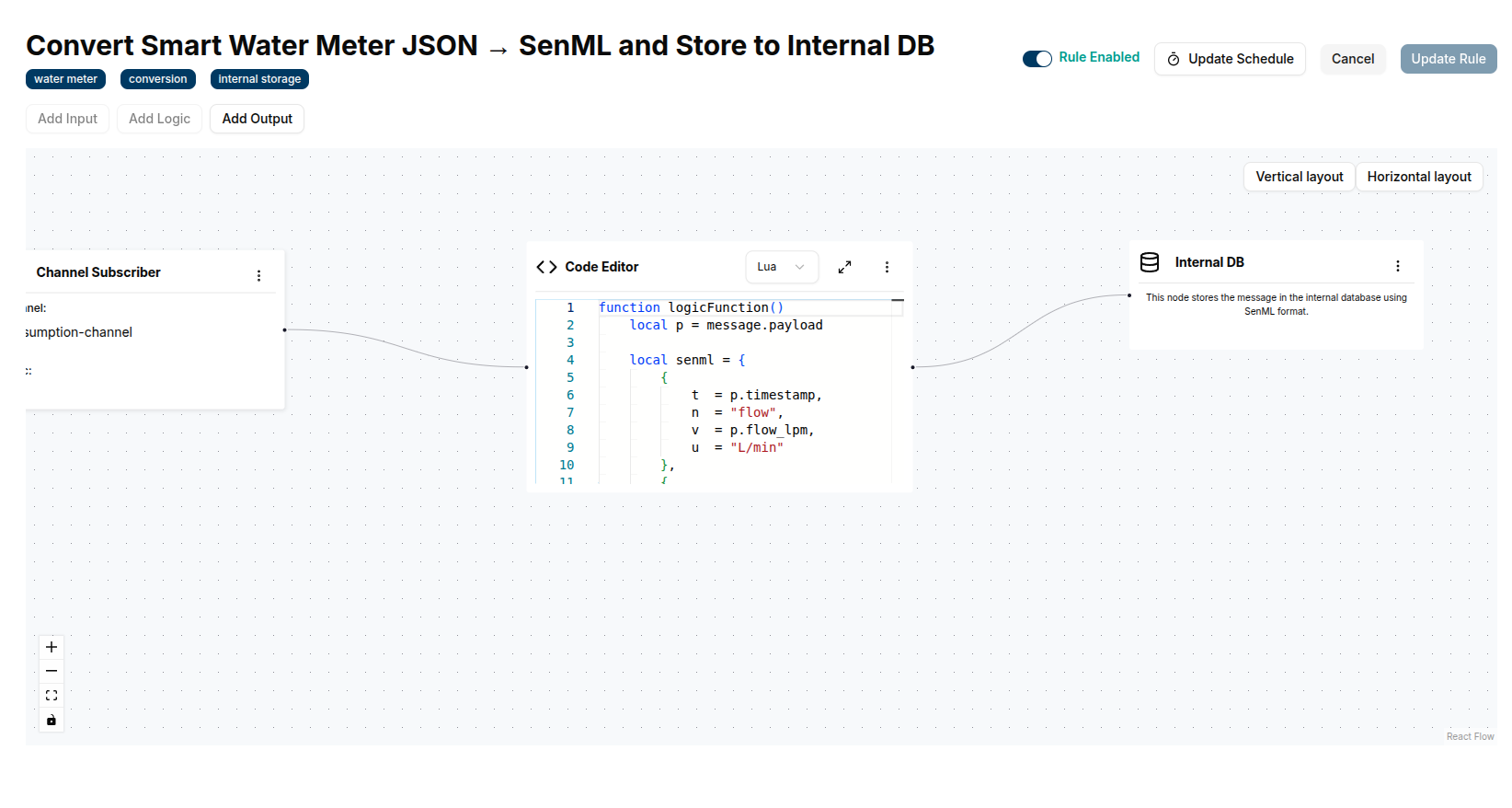
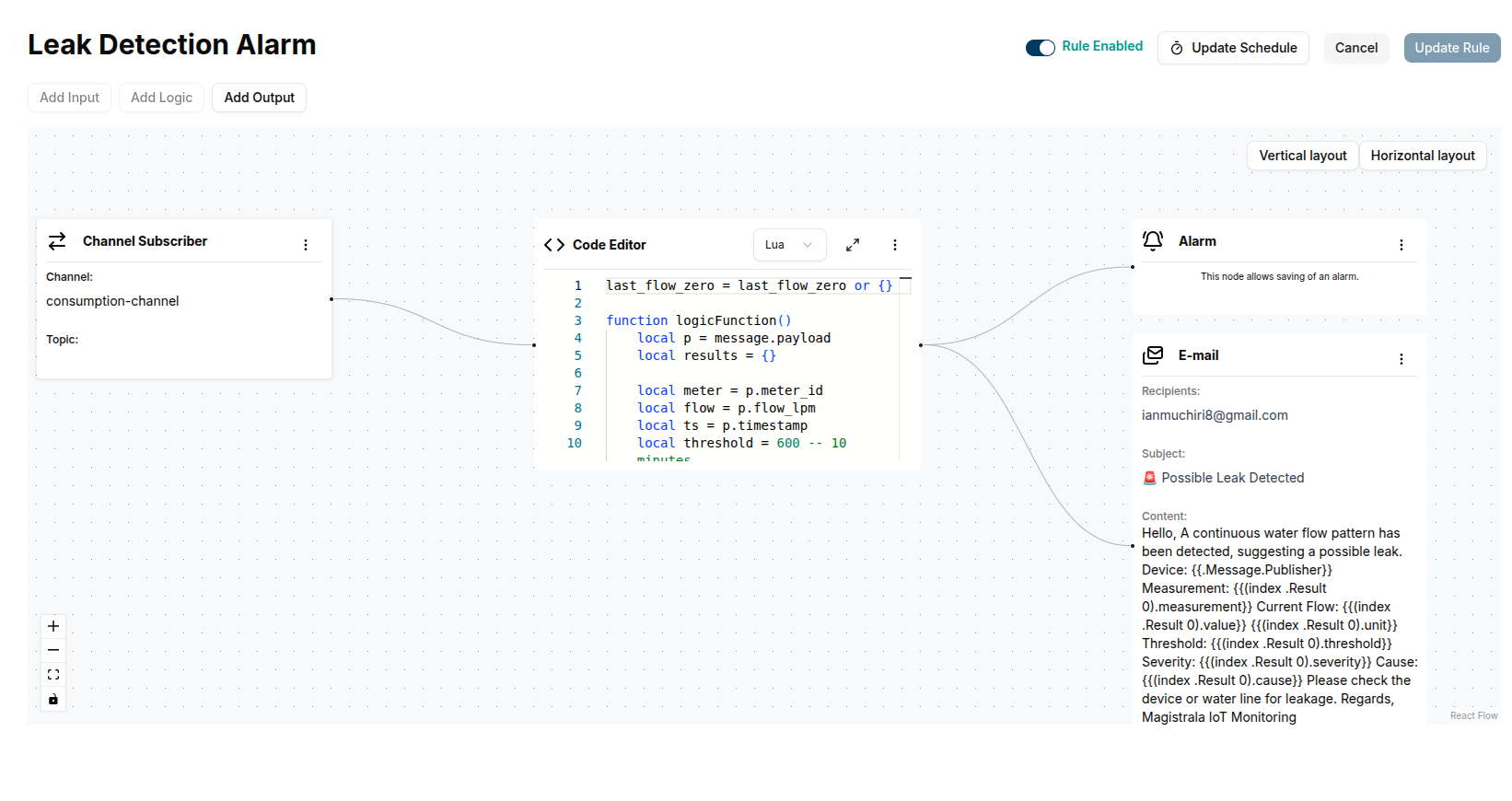
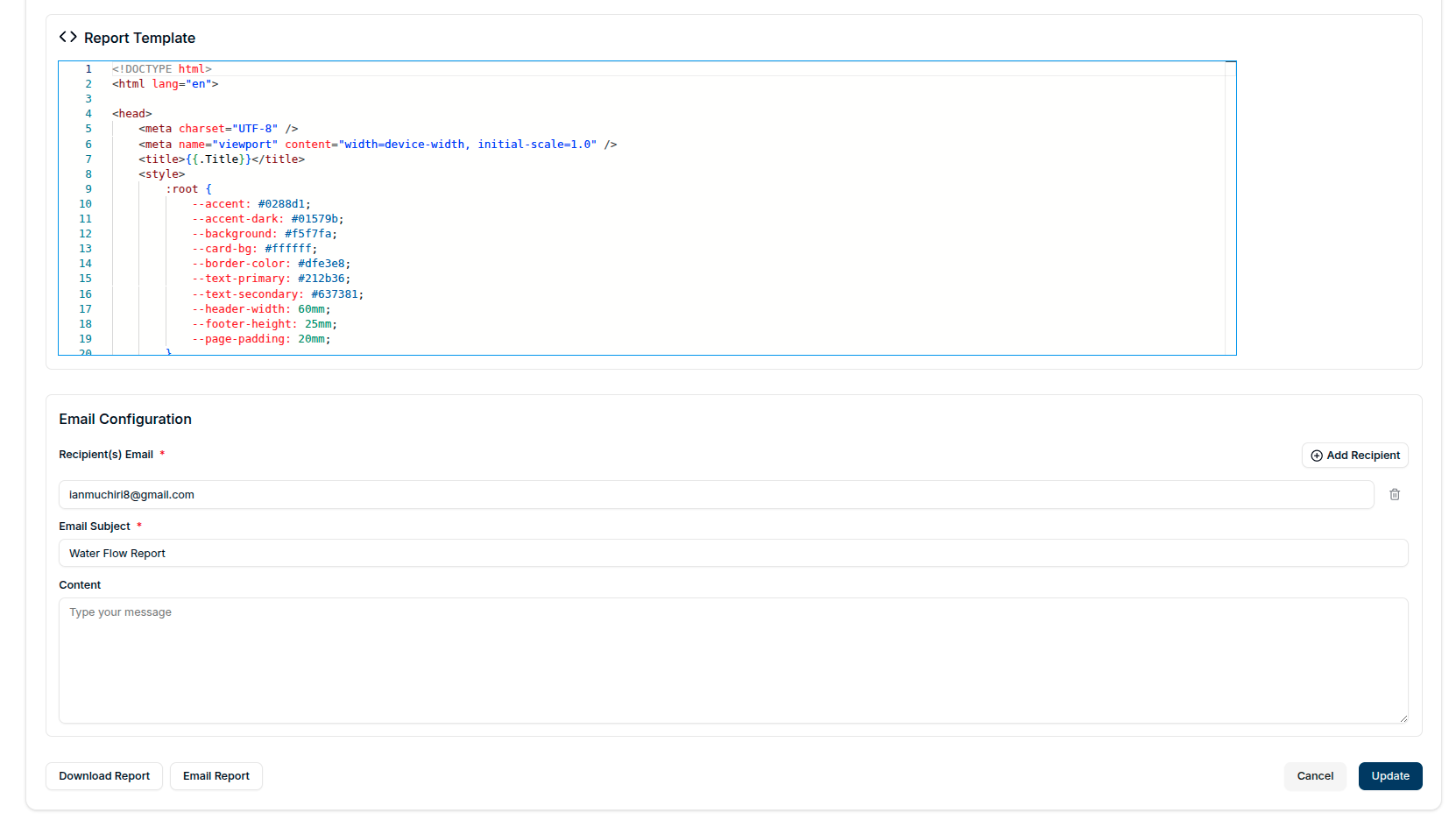
Purpose-built dashboards for every layer of your smart farming deployment.
Guesswork is costing farms yield and water
Irrigation timing, pest management, and harvest decisions made without sensor data consistently underperform, and over-irrigating is both expensive and damaging.
Water Waste
Calendar-based irrigation ignores actual soil moisture and evapotranspiration conditions, routinely over-irrigating by 20–40% and leaching nutrients.
Unpredictable Yields
Crop stress events (frost, heat, drought, disease pressure) go undetected until visible symptoms appear, when intervention is often already too late.
Manual Scouting Overhead
Labour-intensive manual monitoring across large farms can't achieve the sensor resolution needed for precision decisions.
From device to insight
From field sensors to automated irrigation and crop decisions.
Sense
Soil probes, weather stations, and microclimate sensors stream readings into Magistrala over LoRaWAN or MQTT at intervals configured per sensor type and crop stage.
Contextualize
Incoming telemetry is tagged with field zone, crop type, and growth stage. Groups and channels structure the data for per-field analysis and cross-farm comparisons.
Decide
Evapotranspiration and volumetric water content rules evaluate soil and weather data continuously. Frost risk, heat stress, and disease pressure indices fire alarms when thresholds are exceeded.
Automate
Irrigation trigger rules dispatch control signals to valve controllers and pump systems. Alerts notify agronomists for interventions requiring human judgement.
Key Applications
Precision agriculture use cases running on this pack
Precision Irrigation
VWC-based irrigation scheduling replaces calendar timers with real soil data, reducing water use by 20–35% without yield impact.
Crop Stress Monitoring
Continuous tracking of heat stress, water deficit, and disease pressure indices allows proactive agronomic interventions before visible symptoms.
Frost & Weather Alerting
Microclimate frost risk alerts give operators a 2–4 hour warning window to activate frost protection measures for vulnerable crops.
Seasonal Yield Analysis
Historical sensor data and yield correlations improve season-on-season decision quality for irrigation, nutrition, and harvest timing.
What you get out of the box
- Reduce water consumption by 20–35% with soil moisture-based irrigation scheduling
- Detect frost, disease pressure, and heat stress events before visible crop damage occurs
- Eliminate manual scouting overhead with continuous automated field monitoring
- Improve yield predictability by correlating sensor data with historical crop performance
- Scale from pilot field to full farm without re-configuration; add sensors in minutes
- Comply with water use regulations and sustainability audits with automated water consumption reports
Common questions
What types of agricultural sensors does the pack support?
Magistrala natively supports MQTT, HTTP, CoAP, and WebSocket. Sensors using SDI-12, RS-485, or LoRaWAN connect via an external protocol adapter. Weather stations, leaf wetness sensors, and dendrometers from major agri-hardware vendors are supported.
How does automated irrigation scheduling work?
Irrigation rules evaluate real-time soil moisture readings against configurable VWC thresholds for each field zone. When moisture drops below the target level, the rules engine opens the relevant valve controller and logs the irrigation event.
Can I monitor multiple farms or fields from one platform?
Yes. Each farm, field, or crop zone is an isolated domain with its own sensors, rules, and dashboards. A farm manager sees their own operations while an agronomist account can be granted cross-farm read access.
How does the platform help with water regulation compliance?
Automated water usage logs record every irrigation event with volume, duration, and zone data. Monthly reports are generated from this data and can be exported for submission to water authorities.
Ready to deploy Smart Farming?
Start free on Magistrala Cloud or contact us to scope a custom deployment for your organisation.